

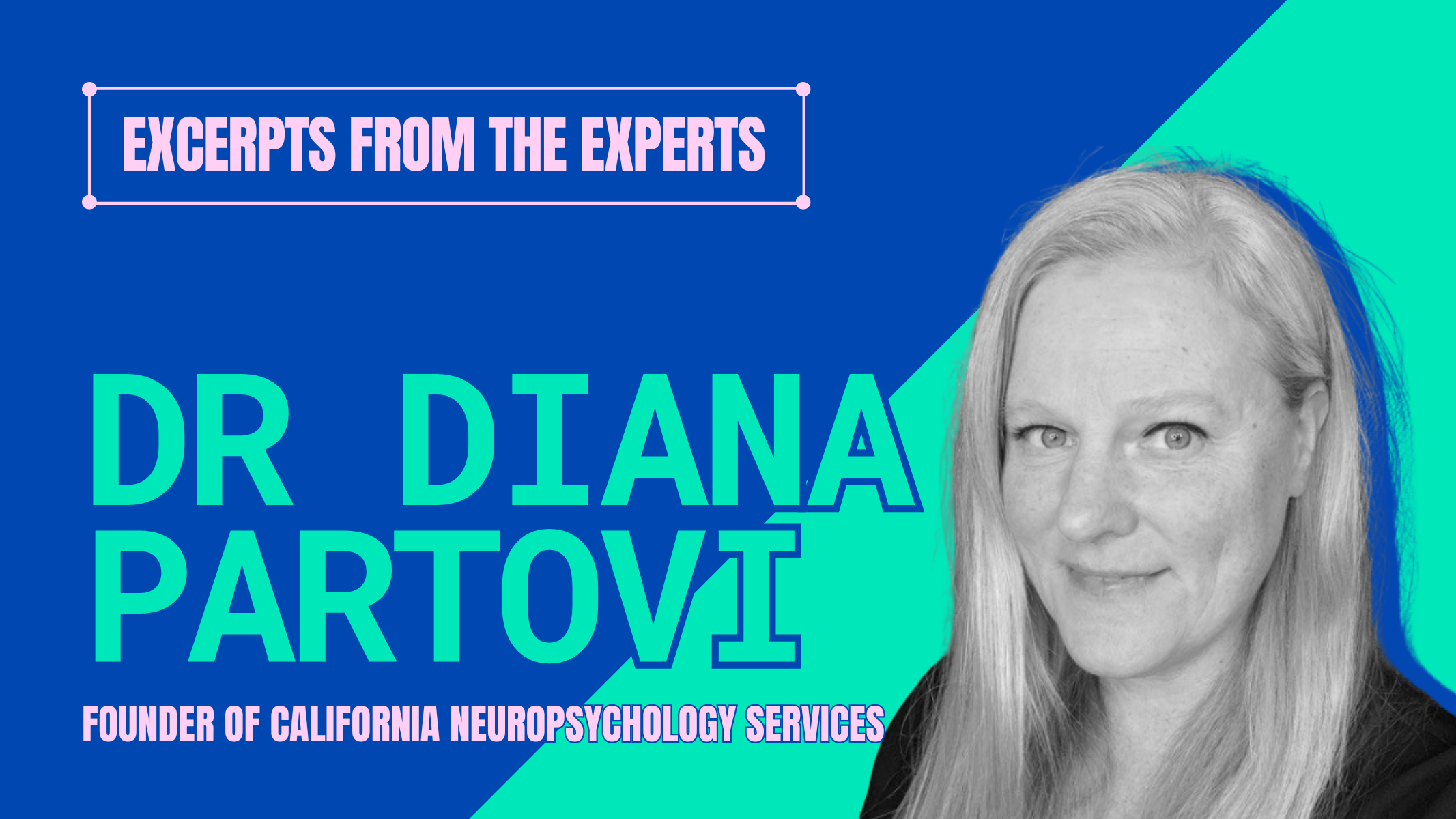
Reignite Your Creative Spark: Beating Burnout with Dr Diana Partovi
Creative burnout is something many of us know too well. It is more than just being tired. For creatives, it can feel like you have lost your spark, and even the work you normally love feels hard to start or finish.
In our recent webinar, Reignite Your Creative Spark: Beating Burnout, we spoke with Dr Diana Partovi, founder of California Neuropsychology Services. She shared why burnout shows up differently for creative people and what you can do to get your energy and focus back.
How to spot creative burnout early
Burnout rarely happens overnight. It builds slowly, and the earlier you notice it, the easier it is to recover. Some common signs include:
- Struggling to focus for long stretches
- Procrastinating while waiting for inspiration
- Starting projects but finding it hard to finish them
- Feeling emotionally drained or flat
If any of these sound familiar, it might be time to step back and rethink how you are working.
Why creatives burn out differently
Creative work is not like other jobs. It draws on your energy, passion and emotional input. This makes it easy to fall into the trap of pushing harder when things are not flowing. Dr Partovi reminded us that the answer is rarely to “try harder.” Instead, the key is to create the right conditions for your brain to do its best work.
The link between neurodiversity and burnout
If you are neurodivergent, burnout can hit even harder. ADHD and Autism can make it more difficult to manage focus, organisation and the constant demand for new ideas. Understanding how your brain works can help you find strategies that feel natural, not forced.
Your toolkit to beat burnout
Here are some of the practical tools Dr Partovi shared to help creatives protect their energy and get back into flow:
- Set up your space: Work somewhere that feels inspiring and helps you get started.
- Pace yourself: Avoid last-minute rushes and aim for steady progress.
- Break it down: Turn big projects into small steps so finishing feels doable.
- Be realistic with time: Focus on progress, not perfection.
- Plan recovery: Rest is not wasted time, it is part of the creative process.
These shifts may sound simple, but together they make a huge difference in how you show up to your work.
Helpful resources
Dr Partovi also shared some useful links that can support your journey:
- CHADD: resources and support for ADHD
- Extra Focus Book: strategies to improve focus
- Goblin Tools: online tools for planning and productivity
- California Neuropsychology Services: Dr Partovi’s practice
If you found this topic useful and want to learn more, we encourage you to reach out to Dr Diana Partovi directly. She works with creatives and professionals to help them manage burnout, boost focus and design strategies that fit their brain.
You can connect with her on LinkedIn, email her at diana.partovi@gmail.com, or explore her work through California Neuropsychology Services.