

How to Get the Best from Your Agency Team in Q4
The final quarter is always a sprint in agency land. Clients want fresh campaigns live before the holidays, budgets need spending or protecting, and you’re already planning next year’s strategy.
This year, the pressure is even higher. Australian agencies are grappling with:
- Talent shortages in digital, data and AI skills
- High turnover risk as people reassess career moves for January
- Automation reshaping roles at every level
- Evolving expectations around flexibility, recognition and growth
When the heat is on, it’s tempting to assume pushing harder will deliver results. The reality? Performance holds up when people feel supported, clear on priorities, and part of something worth staying for.
Here are seven strategies to keep delivery sharp and protect your people during the year’s most demanding quarter.
1. Check the Temperature Before It Boils Over
You can’t fix what you can’t see. Too many leaders assume their team is “fine” until someone hands in their notice, by which point you’re firefighting turnover, not preventing it.
A simple pulse survey, structured one-to-ones, or even quick team huddles can surface pressure points before they become breaking points.
Go further with stay interviews – conversations that happen while people are still engaged, not walking out the door. Ask:
- What keeps you here?
- What might tempt you to leave?
- What would make your role better?
The answers aren’t always comfortable, but they give you actionable intelligence to make quick adjustments, whether that’s workload redistribution, more recognition, or clearer career pathways.
2. Celebrate What’s Already Been Won
By Q4, teams often see only the mountain ahead. Before diving into what needs to happen next, pause and reflect on what’s already been achieved this year.
Pull out the campaign results. Share the client feedback that made you smile. Highlight the new business wins, the team members who stepped up, the creative work that exceeded expectations. Show the numbers – revenue growth, client retention, awards shortlisted.
This isn’t just feel-good leadership – it’s strategic motivation. When people can see their year as a series of wins rather than an endless uphill climb, they approach Q4 challenges with confidence instead of dread.
Make it specific and personal. Instead of “we’ve had a great year,” try: “The rebrand you developed for [client] increased their brand awareness by 40%, and they’ve just committed to doubling their spend with us next year.”
Recognition that connects individual contributions to tangible business outcomes doesn’t just boost morale – it reinforces why the work matters.
3. Master the Art of Strategic No
Agencies are hardwired to say “yes.” In Q4, that instinct can be fatal to team morale.
The biggest risk isn’t missing deadlines; it’s drowning your best people in too many of them. Being deliberate about what won’t get prioritised is a core leadership responsibility.
This might mean:
- Pausing speculative pitches without clear revenue potential
- Trimming campaign “nice-to-haves” that add minimal client value
- Deferring internal initiatives that can wait until January
When you give your team permission to focus solely on high-value work, output increases and stress decreases.
4. Get Ahead of the Inevitable December Brief
Every agency knows the drill: it’s December 20th, and a client drops a “quick” brief that needs to go live January 2nd. Suddenly, your team is choosing between family time and career pressure.
Don’t wait for it to happen. Get on the front foot now:
- Ask clients directly: “Are you planning any January launches that might need December development time?”
- Survey your team: Who actually wants to work over the break? Some people prefer to work through rather than use up their annual leave.
- Book freelance capacity: Secure contractors early so your permanent team can truly switch off
- Set clear cut-offs: After December 15th, new briefs wait until January—no exceptions
When last-minute requests do come (and they will), you’re equipped to respond strategically rather than reactively. You might say yes with proper resources or confidently say no because you’ve already planned for sustainability.
The key is making these decisions deliberately, not under pressure when someone’s family holiday is on the line.
5. Build Capability Without a Budget
Formal training budgets might be exhausted, but development doesn’t need to stop. Learning on live work often beats any course anyway.
Try:
- Pairing juniors with seniors on strategy development
- Rotating responsibility for leading client meetings
- Sharing AI shortcuts that streamline repetitive tasks
- Using project retrospectives for collective learning
These micro-development moments signal to people they’re still growing, even in peak season. Plus, teams that learn together adapt faster to next year’s challenges.
6. Set Boundaries—and Model Them
Unchecked Q4 client demands spiral into unsustainable workloads. The risk is immediate burnout and longer-term attrition as people decide against “another year of this.”
Boundaries start with leadership. That means:
- Negotiating realistic timelines instead of defaulting to “yes”
- Monitoring workloads and redistributing before breaking points
- Making clear that late-night heroics aren’t the norm
If the leadership team sends emails at midnight, everyone assumes that’s the standard. Boundaries are only credible when they’re visible from the top.
7. Protect What Matters Most: Connection
In delivery mode, culture often slides to the background. Yet high-pressure periods are precisely when connection matters most.
Maintain the rituals—Monday kick-offs, Friday wrap-ups, quick alignment huddles. These moments signal people are part of a team, not just a production line.
Most importantly: give your team something to look forward to. An end-of-year celebration, team-building experience, or early finish before the break. Anticipation helps people push through the final stretch with energy and goodwill intact.
The Bottom Line
Q4 doesn’t have to mean exhaustion followed by a mass January exodus. With deliberate focus on clarity, recognition, growth, boundaries and connection, you can finish strong – and enter 2025 with a team that’s not just intact, but engaged and ready for what’s next.
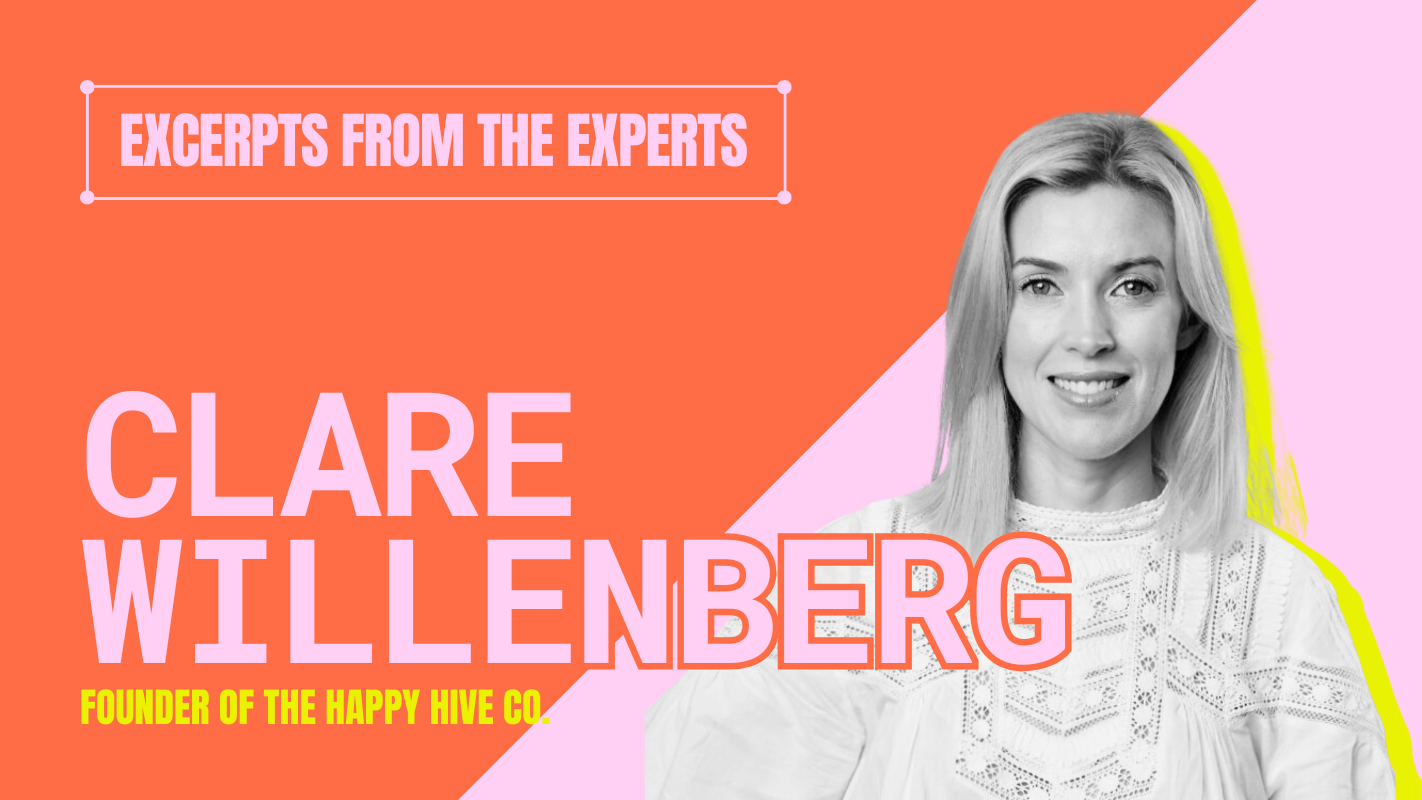
Clare Willenberg is the Founder of The Happy Hive Co. and an expert in employee experience for the PR and advertising industry. With 15 years’ experience at some of Australia’s leading PR agencies, Clare understands agency life from the inside out. Today, she partners with business owners to create thriving, people-first workplaces that attract standout talent, boost performance, and improve retention. Her practical, people-focused strategies help leaders build cultures that keep great people around—and deliver results where it counts: on the bottom line.
To learn more, connect with Clare on LinkedIn or reach out at clare@thehappyhiveco.com.au